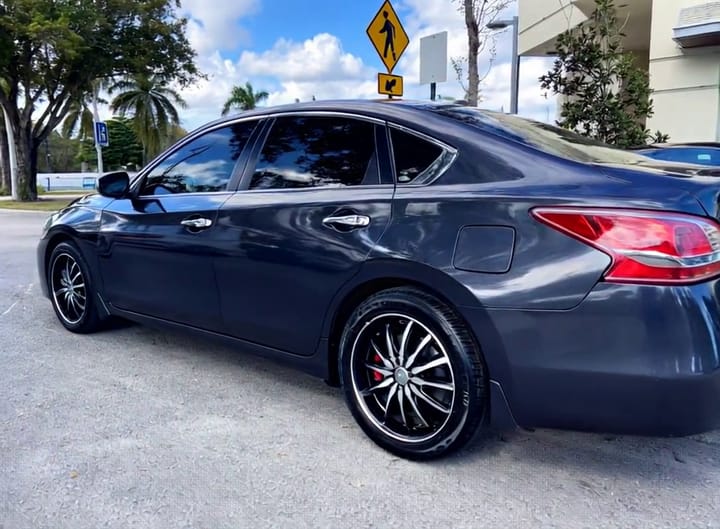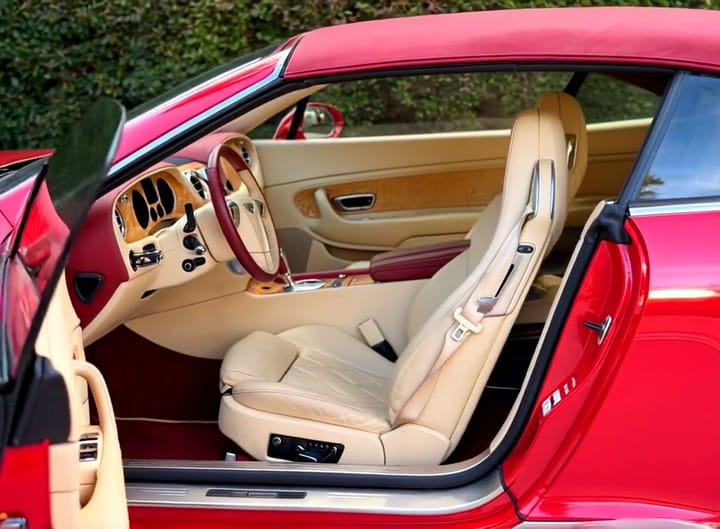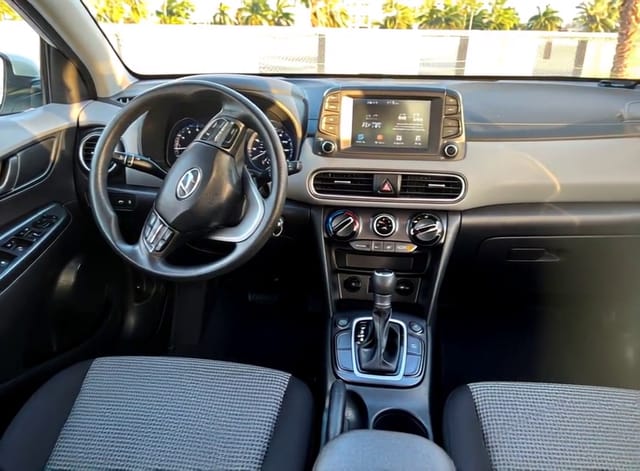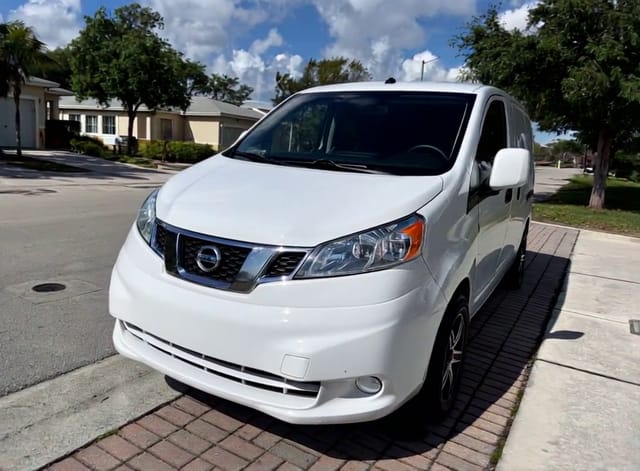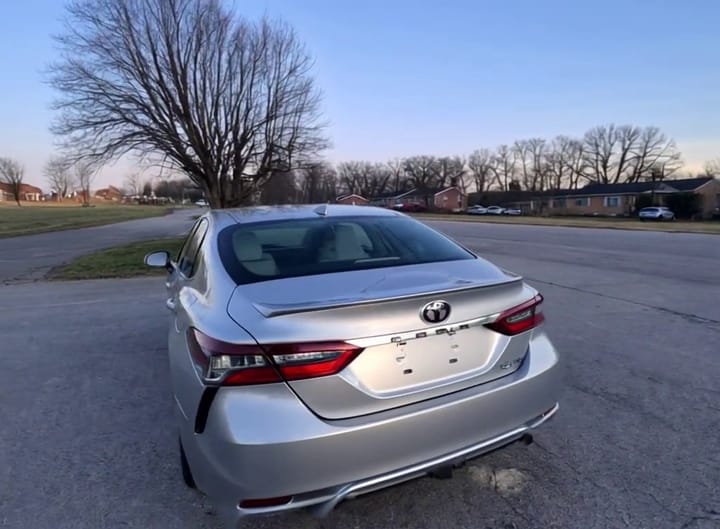
Independent car dealers have always competed on reputation, relationships, and hustle. But in 2026, there's a new competitive edge available to every dealer on the lot — and it doesn't require a marketing agency, a full-time social media manager, or a production budget.
AI-powered marketing tools have matured rapidly in the last two years. More dealers are starting to use them. Here are five shifts we think matter most for independent dealers right now.
1. AI Makes Video Listings Possible for Every Car
For years, the standard car listing was a dozen photos, a price, and a wall of spec text. It worked — when buyers had no better option. Today, with video all over social feeds, a photo-only listing can feel dated.
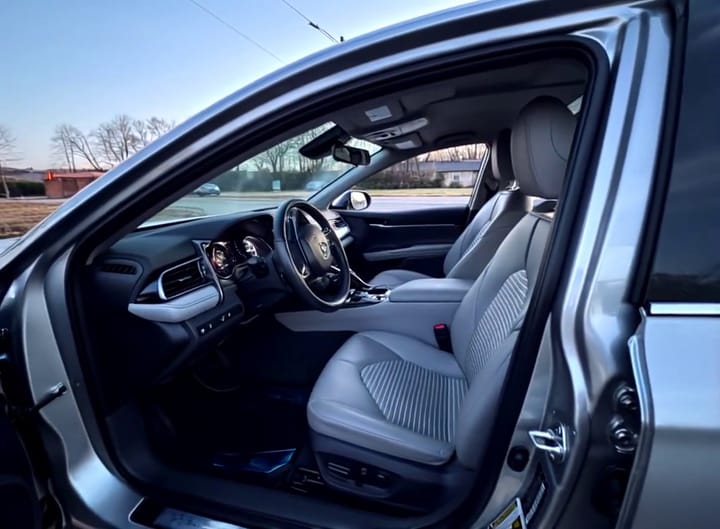
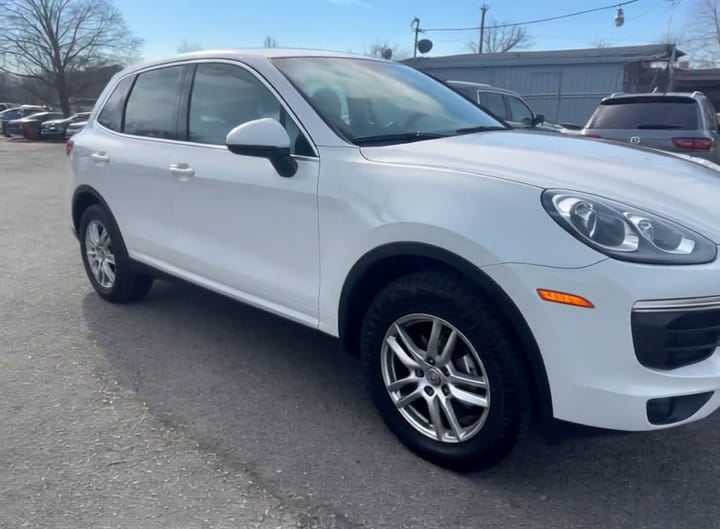
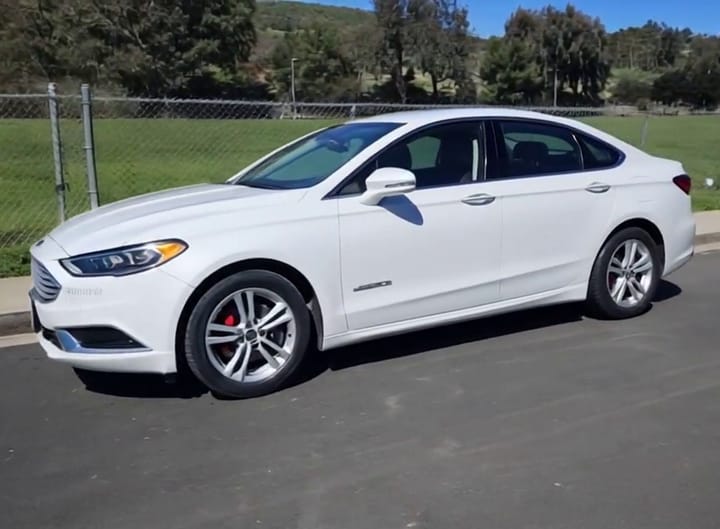
AI video tools now allow any dealer to upload photos of a vehicle and receive a finished, cinematic video with motion, voiceover narration, and music — in minutes, not days. No video crew. No editing software. No agency invoice.
The opportunity is clear: Google/Kantar research (2020) found 80% of new-car buyers took an action after watching a video, yet a 2026 industry survey estimates only 38% of live vehicle listings include one. For an independent dealer moving 30–50 cars a month, that gap is a real chance to stand out.
The key shift is speed. Producing video for 10 cars used to mean scheduling a shoot and waiting on edits. With AI tools like MotorCast AI, a dealer can upload photos for each car and get finished videos back in minutes — then post them to Instagram, Facebook, and their website the same day.
2. AI Voiceover Puts Narration Within Reach
Professional voiceover used to mean hiring voice talent and booking studio time. That was a budget that made sense for franchise dealers running TV spots, not for the independent lot selling 40 cars a month.
AI voice synthesis has changed the economics. Modern AI voices sound natural enough for a standard listing video.
More importantly, the AI doesn't just narrate a script you wrote. It generates the script from the vehicle data you provide. Year, make, model, mileage, color, notable features — the AI writes the copy and speaks it. The result is a narrated video, created in minutes, for a few dollars.
3. Social Platforms Are Built Around Video
Instagram Reels, TikTok, and Facebook all have feeds built around short video, and they show users more of what keeps them on the platform.
Platforms change how they rank content often, and we can't promise any particular reach. But the formats these platforms are built around are video formats, so a listing video fits where your buyers already scroll.
For dealers, this means a 30-second Reel of a car, with motion, narration, and music, has a place in the feed that a single photo post doesn't always get. Reach varies a lot by account and market, so test it on your own page.
A fair caveat: We don't have verified reach numbers for dealer Reels versus photo posts, and results vary by account, market, and week. Post a few of each and compare your own insights.
4. AI Can Draft Listing Copy for Every Car
Most dealer listing copy is painfully generic. "This beautiful vehicle is in excellent condition and won't last long!" is the automotive equivalent of "We value your business." It says nothing, persuades no one, and buries whatever is genuinely compelling about the car.
AI copywriting tools can generate vehicle-specific copy that highlights the right features, matches the right tone for the inventory type (luxury vs. practical, sports vs. family), and includes a clear call to action.
For dealers, this means every listing — from a $7,000 Civic to a $90,000 Escalade — can get its own description. It's consistent, it's fast, and it doesn't require a copywriter on staff.
5. The Cost of Making Video Has Dropped
This is perhaps the most significant shift of all. Producing video for a car dealership used to mean videographer retainers, editing costs, studio time, and voiceover fees. It was a franchise dealer budget item.
Today, a finished listing video can cost a few dollars per vehicle. AI tools handle the video generation, script writing, voice narration, and editing. The only input required from the dealer is photos and basic vehicle data.
This narrows the gap. A 25-car independent lot can now produce a narrated video for every car, something that used to be out of reach without an agency — and post it faster, because there's no agency workflow to navigate.
What This Means for Independent Dealers Right Now
Most listings still don't have a video, so adding one can help yours stand out. As more dealers add video, standing out will get harder.
The practical starting point is simple: add video to your listings. It's a low-cost change you can test on a few cars. From there, build a posting rhythm on Instagram and Facebook.
Try MotorCast AI on your next listing
Upload photos, get a cinematic video with AI voiceover. From $5.99 — no subscription required.
Create your first video →Your first listing video is $5.99.
No subscription required. Add the VIN and your photos, and see the whole process on one car before you decide anything else.